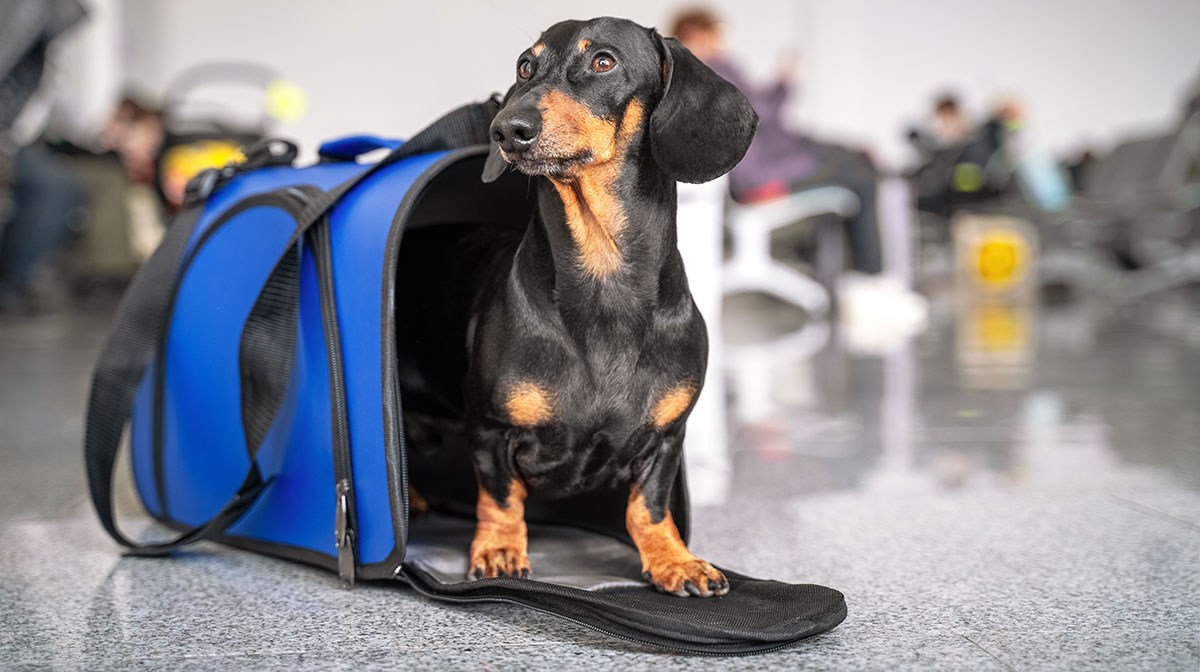
Traveling with pets can be one of the most rewarding experiences for both the animal and their family. Whether it is a weekend getaway, a cross-country road trip, or even air travel, bringing your pet along requires careful planning and preparation. Over the years, I have helped countless families navigate the challenges of travel, and I have seen firsthand how proper preparation can make a journey safe, comfortable, and enjoyable for pets of all types.
Preparing for the Trip
Preparation is the key to a successful trip with your pet. Before leaving home, it is important to make sure your pet is healthy and up to date on vaccinations. A visit to the veterinarian before travel ensures that your pet is fit for the journey and allows you to discuss any special considerations, such as motion sickness, anxiety, or dietary needs.
I also recommend gathering all essential supplies, including food, water, bowls, medications, a first-aid kit, leashes, carriers, and familiar items like toys or blankets. Having these items on hand provides comfort and helps pets feel secure during travel. For exotic pets, birds, or reptiles, it is important to plan for temperature control and specific dietary requirements.
Choosing the Right Travel Method
Different modes of travel present unique challenges. For car trips, using a secure crate, carrier, or pet seatbelt ensures safety while driving. Crates should be large enough for the pet to stand, turn, and lie down comfortably. Frequent stops for exercise, bathroom breaks, and hydration are essential to reduce stress and fatigue.
For air travel, understanding airline regulations is crucial. Many airlines require specific carriers and documentation, including health certificates. Pets may travel in the cabin or as checked baggage, depending on size and airline policies. Planning ahead, choosing direct flights when possible, and familiarizing your pet with the carrier in advance can reduce anxiety and make the journey smoother.
Managing Stress During Travel
Pets can become stressed during travel, and managing this stress is important for their health and safety. Bringing familiar items such as blankets, toys, or clothing with your scent can help comfort them. Calming sprays, pheromones, or natural supplements may also provide reassurance for nervous pets.
During travel, maintaining a calm attitude yourself is helpful. Pets often mirror their owner’s emotions, so staying patient and relaxed helps them feel secure. Short practice trips before a long journey can also acclimate pets to being in a car or carrier, making the experience less stressful on the actual travel day.
Feeding and Hydration
Keeping pets hydrated and well-fed during travel is essential. For road trips, providing small meals at regular intervals can prevent upset stomachs. Avoid feeding a large meal right before departure, as this can contribute to motion sickness. Always carry fresh water and offer it frequently, especially in warm weather or during extended travel.
For exotic pets or birds, maintaining proper hydration and feeding schedules is even more critical. Planning for their specific needs ensures they remain healthy and comfortable throughout the journey.
Safety First
Safety should always be a top priority when traveling with pets. Secure carriers, seatbelts, and restraints prevent injuries in case of sudden stops or accidents. Never allow pets to ride with their heads out of car windows, as debris or sudden stops can cause harm.
Identification is also crucial. Make sure pets wear collars with up-to-date tags and consider microchipping for added security. Carrying copies of vaccination records and medical history is important in case of emergencies or veterinary visits while traveling.
Planning for Accommodation
Not all lodging options accept pets, so it is important to plan accommodations in advance. Pet-friendly hotels, campgrounds, or vacation rentals ensure that pets are welcome and safe. Confirm policies regarding size, number of pets, and any additional fees before booking.
Bringing familiar items from home helps pets feel comfortable in new environments. A favorite blanket, bed, or toy can reduce stress and provide a sense of security in unfamiliar surroundings.
Handling Emergencies
Even with careful planning, emergencies can happen. Researching veterinary clinics along your route or at your destination is important. Knowing where to find help in case of illness or injury provides peace of mind. Keep a travel first-aid kit on hand with basic supplies, including bandages, antiseptic, and any medications your pet requires.
Enjoying the Journey
Traveling with pets can be a wonderful opportunity to strengthen your bond. Dogs often enjoy walks in new environments, cats may appreciate a quiet space with a window view, and horses, birds, or other animals benefit from safe, well-planned transport. Taking time to observe your pet’s reactions and providing reassurance helps make the experience positive for everyone.
Planning regular breaks, offering treats, and engaging in gentle play or exercise can make the trip enjoyable. Remember that pets may need time to adjust to new surroundings, and patience is key.
Final Thoughts
Traveling with pets requires preparation, attention, and care, but the rewards are well worth it. Ensuring their safety, comfort, and wellbeing allows pets to enjoy the journey alongside their family. From proper feeding and hydration to managing stress, choosing the right accommodations, and planning for emergencies, thoughtful planning makes all the difference.
As a veterinarian, I have seen how well-prepared pets and families thrive during travel. When we approach trips with care and consideration, we create opportunities for adventure, bonding, and shared experiences that strengthen the human-animal connection. Traveling with pets is more than a journey; it is a chance to explore the world together, keeping safety, comfort, and love at the center of every mile.