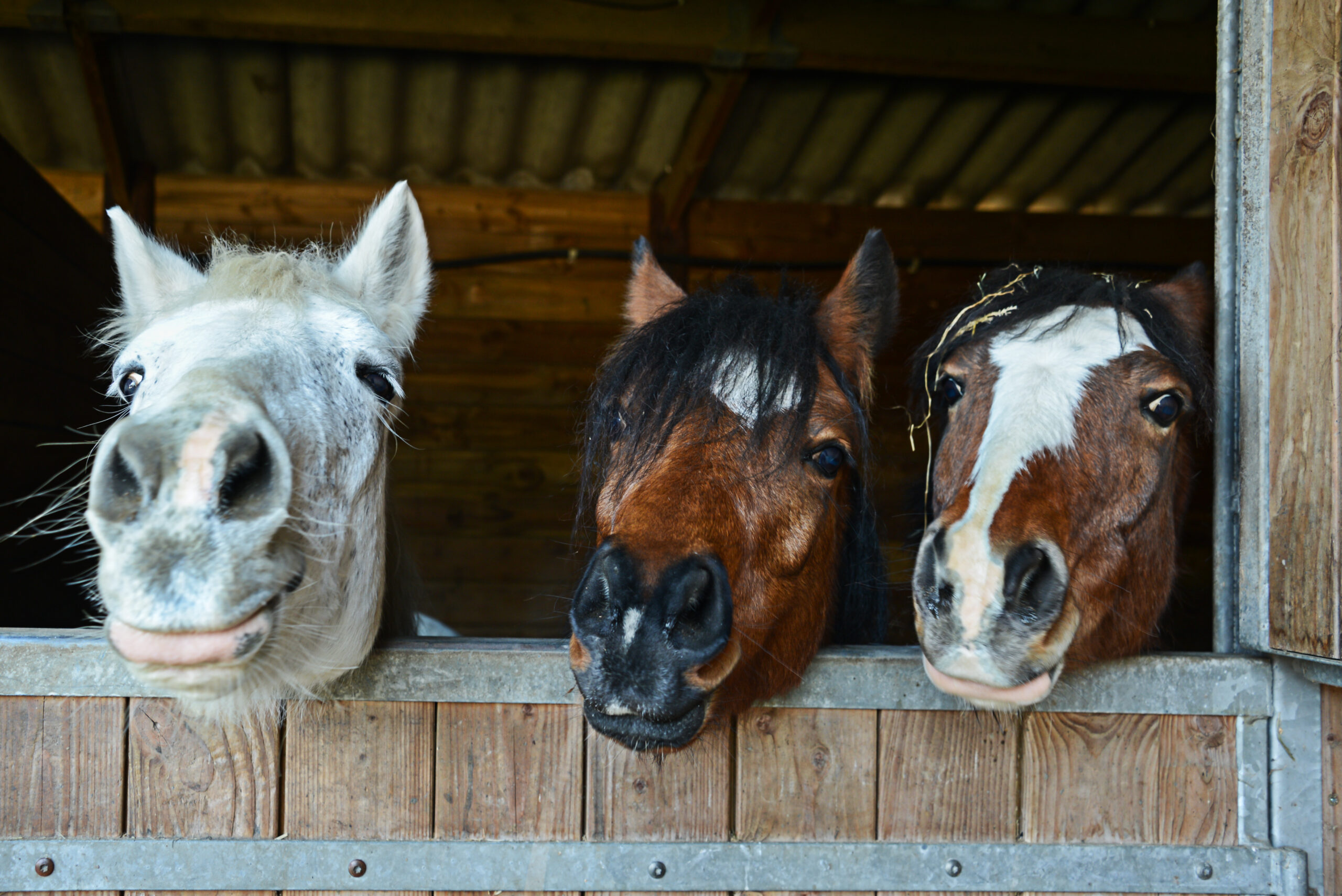
Horses have been a part of my life for as long as I can remember. Growing up riding in the Portuguese Bend Pony Club and competing in hunter jumpers and three-day events gave me a deep appreciation for these majestic animals. My experiences with horses have not only shaped my love for veterinary medicine but have also taught me valuable lessons about equine health and care. Over the years, I have learned that understanding their needs, monitoring their health closely, and building strong relationships with both horse and owner are essential to keeping these animals happy and healthy.
Early Lessons in Horse Care
From a young age, I learned the importance of proper feeding, grooming, and exercise. Horses are highly sensitive animals, and their health depends on a combination of nutrition, environment, and activity. I spent hours caring for my own horses, learning how to recognize subtle signs of discomfort or illness. These early lessons laid the foundation for my understanding of equine health and reinforced the importance of preventative care.
Horses communicate in ways that are often subtle. Changes in posture, appetite, or behavior can indicate health problems. Learning to read these signals early is crucial. Whether it is noticing a slight limp or a change in attitude during exercise, paying attention to details can make all the difference in preventing more serious issues down the line.
Nutrition and Exercise
One of the most important aspects of equine health is nutrition. Horses require a balanced diet tailored to their age, activity level, and health status. For performance horses, energy needs are higher, and they may require additional supplements or specialized feed. For older horses, maintaining a healthy weight and supporting joint and digestive health becomes a priority.
Exercise is equally important. Horses need regular physical activity to maintain muscle tone, cardiovascular health, and mental well-being. Proper conditioning, warm-ups, and cool-downs are essential for preventing injuries and ensuring peak performance. I have seen firsthand how a consistent exercise routine can improve not only a horse’s physical health but also their behavior and overall happiness.
Routine Health Care
Preventative care is at the heart of equine health. Regular veterinary checkups, vaccinations, dental care, and hoof care are essential for maintaining well-being. Dental issues can lead to poor nutrition and weight loss if left untreated. Hoof health is critical, as even minor problems can affect movement and performance. I encourage horse owners to develop a routine care schedule and to monitor their animals closely for any changes that could indicate a problem.
Vaccinations protect horses from serious and sometimes fatal diseases such as equine influenza, tetanus, and West Nile virus. Parasite control is also vital, as internal and external parasites can impact health, growth, and performance. Working closely with a veterinarian to develop a customized care plan ensures that each horse receives the attention and protection they need.
Recognizing and Addressing Health Issues
Horses can mask pain or illness, which is why early recognition is critical. Lameness, colic, respiratory issues, and behavioral changes are some of the signs that require prompt attention. I have learned over the years that trusting your instincts as an owner and seeking veterinary guidance quickly can prevent minor issues from becoming major problems.
Understanding the individual horse is also important. Each animal has its own personality, strengths, and vulnerabilities. By building a relationship based on observation and care, owners can detect subtle changes that indicate the need for medical attention. This close connection allows for timely interventions and helps horses maintain long, healthy lives.
The Importance of Mental Well-Being
Equine health is not just physical. Mental well-being plays a significant role in overall health. Horses are social animals that thrive on interaction, enrichment, and routine. Boredom, stress, or isolation can lead to behavioral problems and even physical illness. Providing social opportunities, stimulating activities, and a stable environment helps horses feel secure and happy.
I have worked with many horses whose physical issues were compounded by stress or poor mental health. Addressing both the mental and physical needs of the horse is essential for holistic care. A horse that feels safe, engaged, and supported is more likely to perform well and maintain good health throughout its life.
Lessons From a Lifetime
Spending a lifetime around horses has taught me patience, observation, and the importance of proactive care. Each horse is unique, and understanding their needs requires dedication, consistency, and attention to detail. I have also learned that the bond between horse and owner is a critical component of successful care. Trust, communication, and mutual respect create a foundation that supports both physical and emotional health.
Through my veterinary work, I have had the privilege of applying these lessons to help horses in the community. From routine care to emergency interventions, the principles of nutrition, exercise, preventative medicine, and mental well-being remain central to every case. The experiences I gained from riding, competing, and caring for horses inform every decision I make as a veterinarian.
Final Thoughts
Caring for horses is a lifelong journey that combines knowledge, experience, and compassion. From nutrition and exercise to preventative care and mental well-being, every aspect of a horse’s life contributes to their health and happiness. My years around horses have taught me that attention to detail, early intervention, and strong relationships are key to maintaining wellness.
Horses have a unique way of teaching us patience, resilience, and respect. They remind us that health is holistic and that every moment of care matters. For anyone who shares their life with these incredible animals, the lessons of equine health are lifelong and deeply rewarding. Through proper care, observation, and dedication, horses can live long, vibrant lives, and their owners can enjoy the companionship and joy that comes from these extraordinary animals.